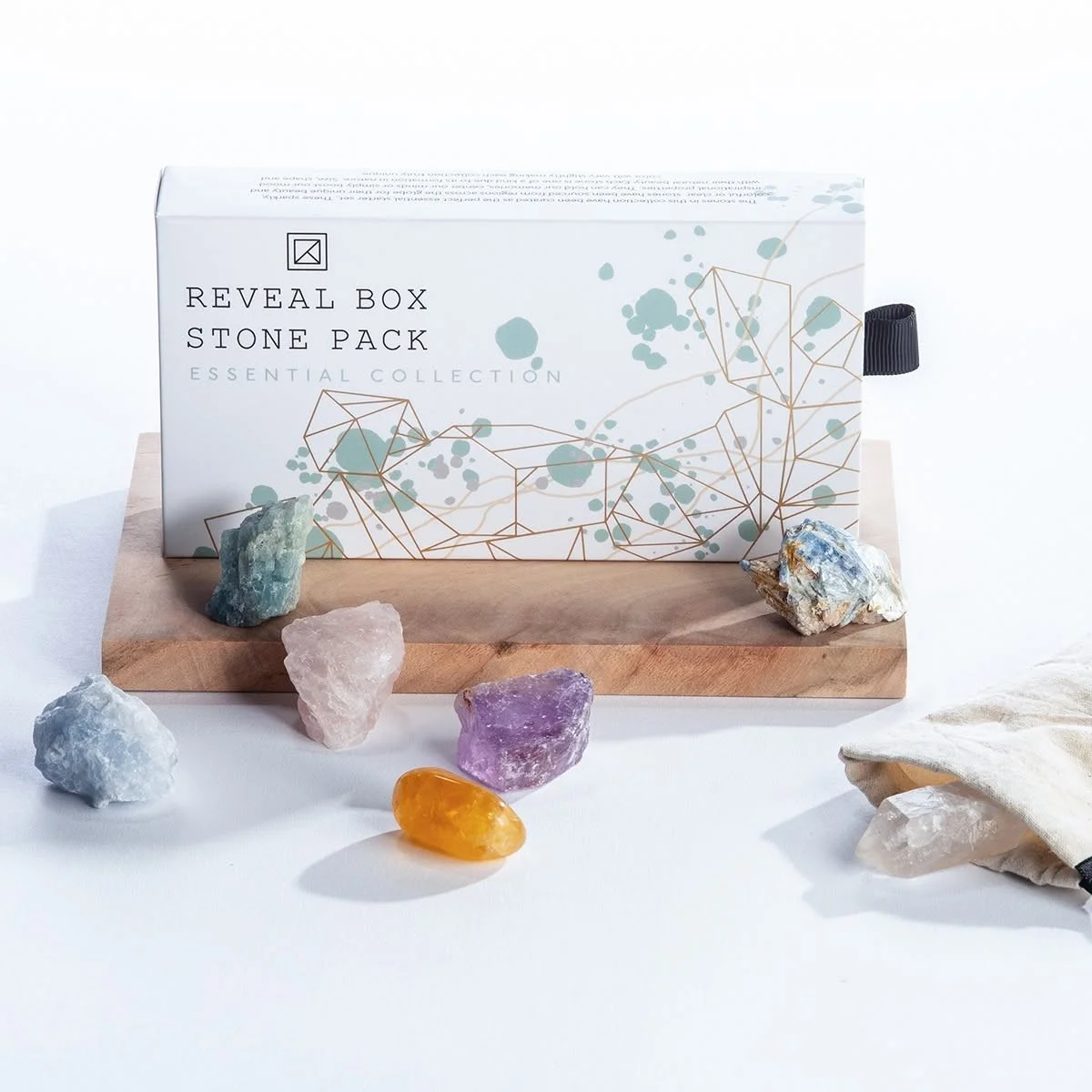
US tariff against Brazil is marked by back-and-forth Extracted from Brazilian mines, natural stones such as amethysts, agates, and quartz travel thousands of kilometers until they reach the United States, where they are transformed into decoration items, gifts, and souvenirs sold by wholesalers and retailers. This trade, however, may be affected by the American government's proposal to again impose an additional tariff on Brazilian products. 🗒️Do you have a report suggestion? Send it to g1 For this reason, even American companies that depend on these imports have started to pressure Washington to remove Brazilian products from the surcharge list.
They argue that there are no suppliers in other countries capable of replacing Brazil in terms of quality, production scale, and price. Among these companies is GeoCentral, a wholesaler based in Mason, Ohio, specializing in stones, crystals, and fossils. The company, controlled since 2008 by the family holding company CM Paula, formally asked the Office of the United States Trade Representative (USTR) that Brazilian semi-precious stones be included in the list of products exempt from the measure. According to the company, more than 25% of its entire portfolio is imported from Brazil from states like Minas Gerais and Rio Grande do Sul, including most of the precious and semi-precious stones sold in different formats, from loose crystals to retail-ready products. GeoCentral is not alone.
At least 11 other companies and sector entities have sent statements to the USTR contesting the proposed surcharge on Brazilian goods. Of these, at least nine are American companies. In common, they state that the measure will increase costs, harm their operations, and reduce the competitiveness of the US industry. ‘There are no equivalent alternatives’ Minerals sold by GeoCentral: company requested the inclusion of natural stones in the US government's exemption list Disclosure In an interview with g1, the CEO of CM Paula, George White, stated that the company buys Brazilian products out of necessity, not just preference. “We don't buy from Brazil simply because we want to.
We buy because the country offers the best combination of quality and cost available in the world.” In 2025, Brazilian exports in the category of pearls and precious or semi-precious stones, raw or worked, totaled about US$ 45.6 million to the US. When jewelry and other articles of precious or semi-precious materials are included, the value exceeds US$ 71.8 million. According to White, Brazil has a mining infrastructure that is difficult to replicate by other countries, with the capacity to extract, cut, polish, and prepare stones for large-scale commercialization.
“There are simply no equivalent alternatives elsewhere,” he stated. In its statement to the USTR, CM Paula informed that about 120 products sold by GeoCentral would be affected by the tariff and argued that they “are not available from alternative sources with reasonable prices, similar quality, or sufficient quantity outside of Brazil”. Agate stone, imported from Brazil and sold by GeoCentral in the US Disclosure History of tariffs has already affected the company White states that the company has already suffered significant impacts from the increase in tariffs previously imposed on Brazilian imports. According to the executive, the surcharges forced the company to reduce expenses, lay off employees, decrease marketing investments, and raise wholesale prices. Part of these amounts began to be returned after decisions by the American courts that questioned the legality of tariffs imposed by the US government based on the International Emergency Economic Powers Act (IEEPA).
With this, several charges were suspended or began to be questioned judicially. In Brazil, the surcharges imposed by the US reached 50% on part of the products exported in 2025. On November 20, 2025, however, President Donald Trump signed a decree that removed the 40% additional tariff applied to dozens of Brazilian agricultural and livestock products, even before the final decision of the American courts on the legality of the charges. Subsequently, after the US Supreme Court considered part of these surcharges illegal, the American government began to use other legal instruments to support some charges, including a 10% global tariff on imports. This measure was also contested judicially, but a federal appeals court decided to keep it temporarily in force while it analyzes the government's appeal. According to White, the company has already recovered about 10% of the amounts owed and expects to receive the rest by the end of this year or early next year.
In total, the company has already filed 117 restitution requests related to imports from Brazil and China. Even if the 25% additional tariff is implemented, GeoCentral states that it will continue to buy Brazilian products. “We will continue to import from Brazil. The only difference is that we will have to bear higher costs because of the tariffs,” said White. According to the executive, the company has not yet found suppliers in other countries capable of replacing Brazilian stones. American companies turn to the USTR The mobilization of American companies occurs after the USTR concluded an investigation that accuses the Brazilian government of adopting practices that “burden or restrict” trade with the US, citing topics such as PIX, the fight against illegal deforestation, piracy, and the application of anti-corruption laws. Based on the report, the agency proposed an additional 25% tariff on a wide range of Brazilian products and opened a public consultation to receive statements from companies, associations, and other interested parties. The process will conclude with a hearing scheduled for July 6, when representatives of the affected sectors will be able to present the impacts of the measure to the American government. 🔎 The number of companies protesting is only not higher because the proposal provides for a long list of exceptions.
Informational materials, donations, and a specific list of products, which includes items such as coffee, tea, certain meats, fruits, minerals, cereals, seeds, oilseeds, industrial and medicinal plants, as well as straw and fodder, should be left out of the surcharge. (see the full list here) In the statements sent to the USTR, companies in the flooring, construction, mining, education, and housing sectors maintain that many Brazilian products do not have equivalent substitutes in the American market and warn that the tariff would increase costs for companies and consumers in the US itself, without strengthening domestic production. The g1 located some of them in the requests for participation in the public hearings of the investigation. 🪵The Fantastic Floor: a company from the state of Washington specializing in wood flooring requested the exclusion of Brazilian species such as jatobá and cumaru from the tariff.
According to the company, these woods are native to South America and are not commercially available in the US. 🪵Artivo Surfaces: American importer and distributor of wood coatings and flooring. In a statement to the USTR, it stated that Brazilian woods need to be processed at the source to preserve their quality and that the surcharge would not stimulate domestic production. “Increasing the tariff will not benefit US manufacturers or consumers, because the raw materials are naturally unavailable and the product quality cannot be replicated,” it said. 🪵Strong Flooring Solutions: a company in the flooring sector that argued that there are no American species capable of reproducing the appearance of Brazilian woods. For the company, consumers interested in this type of product would not migrate to domestic alternatives simply because “there is no option available”. 🪵Wood Timber Import: an importer of wood products that highlighted the importance of moldings and construction components manufactured in Brazil for the American real estate market.
According to the company, domestic production cannot meet the demand in sufficient volume and quality, and new tariffs would only increase project costs. 💎JKG Inc. (Jessie Kan Granite): an American company that distributes granite, marble, and quartz slabs, stated that Brazilian materials have unique geological characteristics. In its statement, it warned that the measure would only make construction and final products more expensive: “Adding tariffs on natural stones from Brazil will only serve to raise construction costs and increase costs for final consumers”. 🏠Legacy Roots Housing Initiative (LRHI): an organization focused on the development of modular housing and housing infrastructure projects in the US. The entity stated that the tariff on these components would create barriers for small developers and delay housing projects. 🦷 Lauria Dental Model: an American company that sells dental models used by universities and professional training courses.
The company requested the exclusion of these products from the measure, arguing that they are intended exclusively for teaching, do not compete with medical devices manufactured in the US, and that the surcharge would only increase the costs of education. 🌱 Sector entities also entered the debate. The American Seed Trade Association (ASTA), which represents the US seed industry, requested participation in the USTR public hearing and argued that seeds for planting should be excluded from the proposed tariff on Brazilian products. According to the association, the implementation of the new tax would harm the competitiveness of the American sector and affect global supply chains essential for agricultural innovation. Brazil bets on negotiation before the final decision After the deadline for submitting written statements, which ends on July 1, and the public hearing scheduled for July 6, the US government should analyze the contributions received before making the final decision. The expectation is that the process will be concluded by July 15, the date scheduled for the eventual implementation of the new tariffs.
According to the Itamaraty, Brazil has been acting on two fronts to try to reverse the proposal: the technical contestation of the investigation conducted by the USTR and diplomatic negotiation with Washington. The Brazilian government claims to have already sent formal statements to the American agency and is studying presenting a new contribution during the consultation period. Behind the scenes, the assessment is that the 25% surcharge proposal can still be negotiated before the conclusion of the process conducted by the USTR. American Chamber of Commerce intensifies articulation To g1, Amcham Brazil, an entity that represents companies and commercial relations between Brazil and the US, stated that it is closely following the investigation conducted by the American government and defends a negotiated exit for the impasse. The entity informed that it has been holding conversations with Brazilian and American authorities on the subject. According to Amcham, a meeting was held on June 15, in São Paulo, with the Minister of Development, Industry, Trade, and Services (MDIC) and representatives of about 15 companies. In the meeting, the possible impacts of the imposition of additional tariffs on Brazilian products were discussed. Amcham also said that it participated in the public consultation and the hearing promoted by the US government and is preparing a new statement to the USTR. The document should highlight the effects of the surcharges on supply chains, production, and consumption in the American market, in addition to Brazil's role as a strategic supplier and the risk that these products will be replaced by competitors from other regions, especially Asia. "Brazil and the United States have a highly complementary and strategic economic relationship", stated the entity, in a note. For this reason, it added, "it continues to work so that any divergences are treated through dialogue and cooperation, preserving trade, investments, and the competitiveness of companies from both countries".


Sign in to comment on this article.
No approved comments yet.