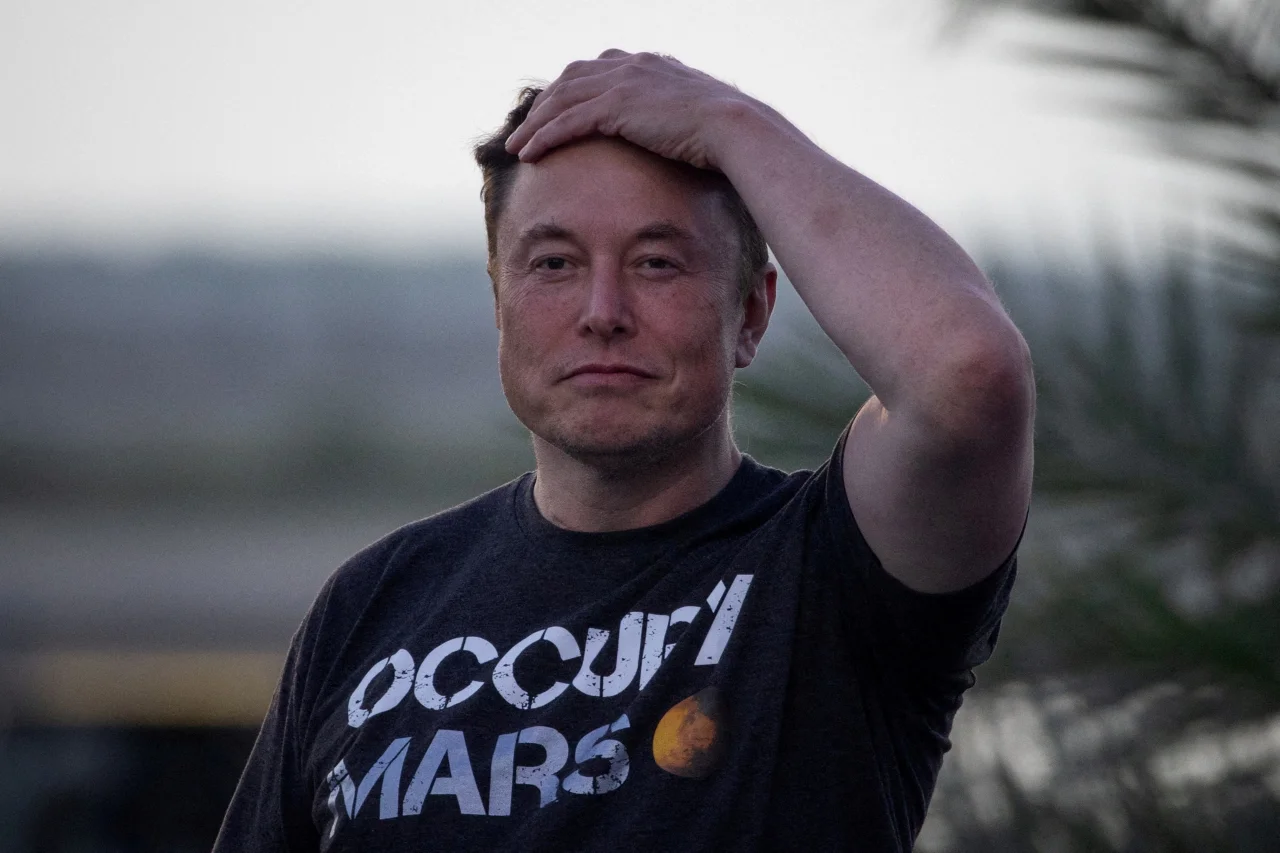
Musk at SpaceX Starbase in Brownsville, Texas REUTERS/Adrees Latif/File photo SpaceX's initial public offering (IPO) moved US$ 85.7 billion (R$ 435.6 billion) in the United States after the sale of an additional batch of shares by the banks responsible for the operation — a resource known in the market as a “greenshoe”, the company stated this Monday (15). SpaceX shares rose 19% on their debut on the Nasdaq, on Friday (12), raising the company's market value to more than US$ 2 trillion and making Musk the world's first trillionaire. The company set the price of its offering at US$ 135 per share, with the sale of 555.56 million shares. The SpaceX IPO also included the so-called supplementary batch option, common in large offerings in the United States. Now on g1 This mechanism works as a kind of “safety valve”, allowing the banks responsible for the operation to buy or sell more shares to avoid sharp price fluctuations in the first days of trading. The IPO was the largest ever recorded in the global market. The thesis behind SpaceX The move helps explain why SpaceX's debut was followed with such attention.
The logic is simple: when there are more buyers than available shares, prices tend to rise until supply and demand find an equilibrium point. The interest in the company also reflects SpaceX's unique position in the market. ▶️ Although it ended 2025 with revenue close to US$ 18.7 billion and a net loss of about US$ 4.9 billion, the company is seen by many investors less for its current results and more for the growth potential of its businesses. Today, SpaceX brings together activities that go beyond space launches. The company controls the Starlink satellite internet network, operates in projects linked to artificial intelligence through xAI, and develops Starship, a rocket considered a key piece of its plans to reduce the costs of access to space.





Sign in to comment on this article.
No approved comments yet.