There is something curious about the real estate market. When you buy an apartment, there is an implicit expectation that everything that comes after is up to you.
The property is delivered. And the rest, you figure out. Interior design, aesthetic choices, material selection, functional decisions on how that space will be occupied.
All of this is left out of the purchasing process, as if it were the exclusive responsibility of the person acquiring the property. But there is a problem with this fragmented logic. It is precisely in the interior design project that the apartment transforms into a home.
It is there, in the textures, the colors, the chosen materials, the way the space is organized, that life truly happens. It is there that the architectural project meets the reality of who will inhabit that place. Taking measurements in a property. Disclosure/Magnific. The invisible rupture between design and occupancy When interiors are treated as something separate from the real estate purchase, something breaks.
The client receives an apartment and then faces a parallel design process, totally disconnected from the original architectural project. Different professionals, distinct visions, deadlines that do not align. The result is an apartment that does not converse with itself.
Choices made later do not dialogue with decisions made earlier. The experience becomes fragmented because the whole process was fragmented. The interior contradicts the architecture.
An apartment with a generous ceiling height but with colors that visually compress it. A well-resolved floor plan but furniture that does not converse with the circulation logic.
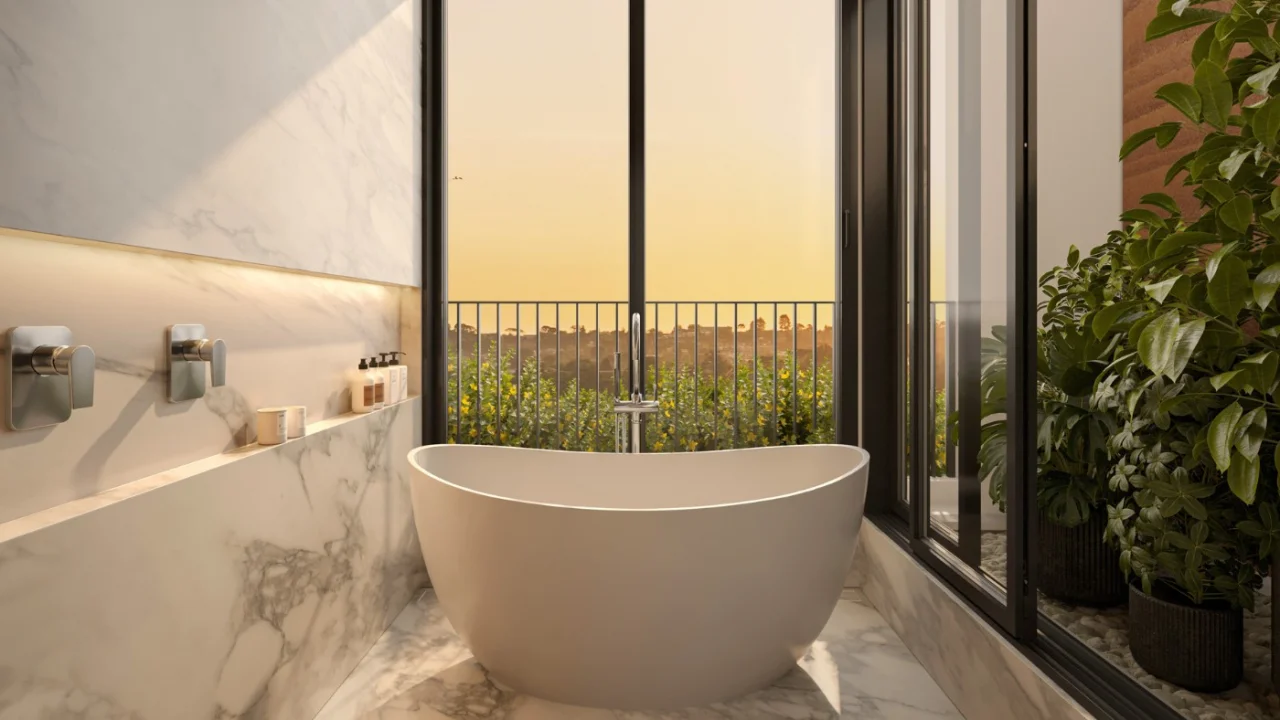
Planned natural light, but finishes that do not highlight it. This happens because the traditional market views the interior as a complement, as an individual decision that comes later. But if the interior is what truly determines the quality of life of those who will live there, why treat it as something secondary? Bathroom details in the Decorated Unit of Tauá, a launch by Dreamis Incorporadora. Disclosure/Gabriela Paiz. When continuity replaces fragmentation Some developers recognize that this approach makes no sense.
If the goal is to deliver a product that truly works for whoever will inhabit that space, the interior design project needs to be an integral part of the process, not an appendix. This means continuous support. The same team that designed the building accompanies each resident's decisions: from floor plan adaptations to the selection of coverings, colors, appliances, final details. Furniture in the kitchen of the Tauá Decorated Unit. Disclosure/Daniella Araujo. It is not a separate service offered afterwards.
It is a natural continuation of the project. The client does not receive an empty apartment and need to fill it with their own decisions.
They receive a thoughtful apartment, where each element has already been discussed and aligned with the way they actually live. This requires dedication. It requires someone to deeply understand each resident before making decisions about their space.
It requires continuous questioning: how do you work? Who spends the most time in this environment? What is your routine? What makes you feel good in a space? It is not efficient. It is not scalable.
It is not the standard market model. But it works. Exclusivity as a result of a rigorous process When personalization is accompanied from the beginning, every apartment is born exclusive.
Not because it was promised in marketing, but because it was genuinely designed for that specific person. Giulia Barsotti, the architect responsible for overseeing personalization in Dreamis projects, recognizes this reality clearly. "Every client has a different routine, a different way of living in the space. When we work on personalization from the beginning, we manage to capture these differences and turn them into concrete decisions.
It is not about choosing colors from a generic palette. It is about understanding how that person works, if they have children, if they host frequently, and from there creating an interior that is already born aligned with their life." Architect performing floor plan analysis at Casa Dreamis. Disclosure/Gabriela Paiz. This exclusivity is not scenic.
It emerges from the rigorous process of understanding each person and each space. What changes when the interior becomes a project When personalization ceases to be an isolated responsibility and becomes a continuation of the project, the living experience fundamentally changes. There is less uncertainty. The client is not navigating alone in decisions about a space they do not yet know well.
There is continuous professional guidance. There is real coherence. Every interior choice dialogues with the architecture, with natural lighting, with circulation.
It is not a well-designed apartment with random interiors. It is an integrated project. There is savings.
No future renovations needed, no rework due to inconsistencies, no need for multiple professionals fixing problems that already existed. The apartment comes ready to be lived in. There is a different kind of satisfaction.
When you walk into an apartment that was designed for your specific life, that reflects your style, that functions according to your real needs, you are not buying a property. You are buying a place that already knows you. Details of the Living Room in the Tauá Decorated Apartment. Disclosure/Gabriela Paiz. An invisible commitment Offering accompanied interior design is not a marketing differential.
It is a demonstration of something much deeper: a commitment to what truly matters. It is recognizing that well-being is not a traditional real estate metric. It is structuring processes so that every decision inside that apartment is as careful as the architectural decisions.
It is being willing to dedicate time to understanding how each person lives. The result of this approach is an apartment that already functions according to the real needs of those who will inhabit it. Without the need for future renovations.
Without inconsistencies between design and occupancy. Without that feeling of "now I'm going to adjust this myself".






Sign in to comment on this article.
No approved comments yet.