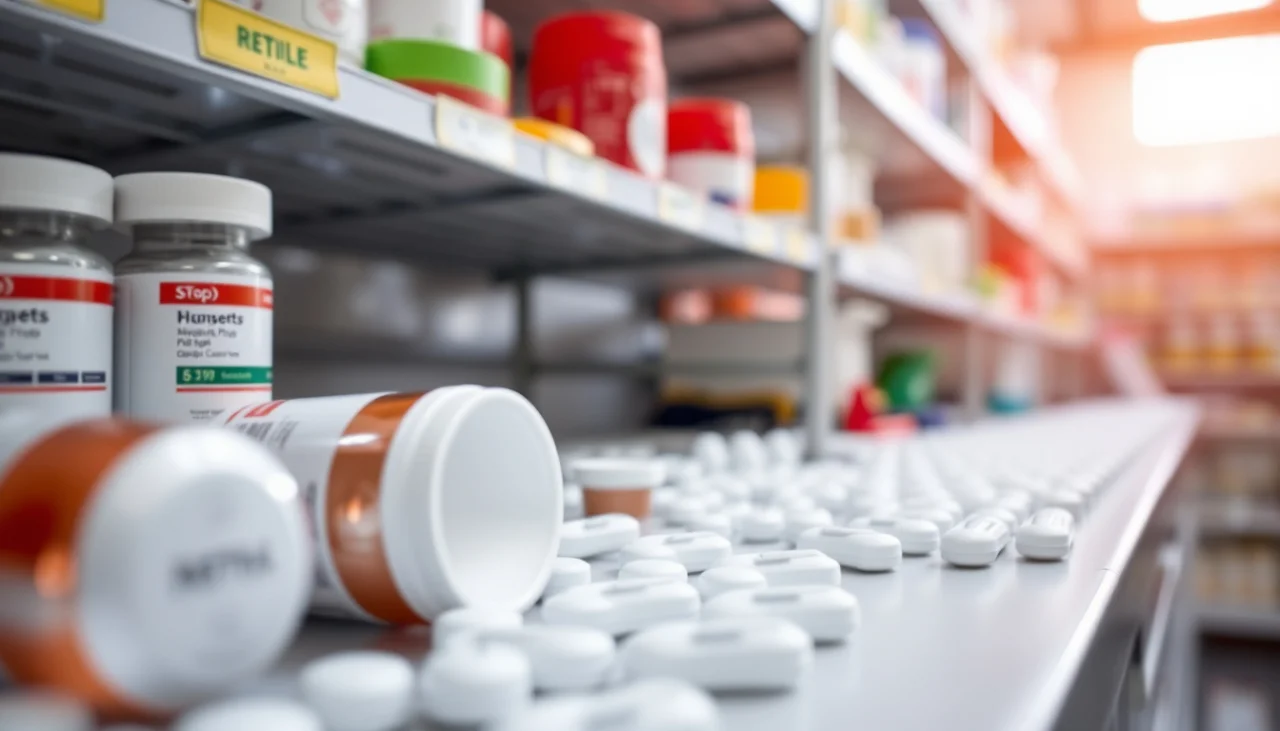
The Ministry of Health established this Thursday (23) a price negotiation committee aimed at purchasing medications that will be integrated into the Unified Health System (SUS). The initiative aims to optimize public spending through large-scale purchases, allowing the savings generated to be reinvested in the incorporation of new technologies and treatments within the public system.
With the objective of modernizing acquisitions, the government intends to use the immense purchasing power of the SUS—which handles around R$ 31.3 billion annually in vaccines, supplies, and medicines—to secure fairer prices. The expectation is that the negotiations will achieve discounts exceeding 50% on new medications or those recently incorporated into the public network.
The creation of the permanent committee focuses specifically on guaranteeing a budget for complex treatments, such as those targeting cancer and autoimmune diseases. According to Fernanda De Negri, Secretary of Science, Technology, and Innovation in Health, the measure establishes clearer rules to ensure the ministry secures better commercial conditions and room for new investments.
The group will act strategically in two main scenarios: negotiating medications without direct competition, produced by a single laboratory, and in cases of items already present in the SUS that show disproportionate price increases. The committee will be activated by the National Commission for the Incorporation of Technologies in the Unified Health System (Conitec) or by the responsible secretariats.
The centralized negotiation model is already adopted in more than 40 countries, including nations such as Canada, France, England, and Australia. Although the idea had been discussed internally for some time, the measure was now formalized as a state policy to strengthen the financial sustainability of the SUS.




Sign in to comment on this article.
No approved comments yet.