Star of Tuscany, the Sangiovese grape shines in Chianti and Brunello di Montalcino wines, two of the most famous labels in Italy. But what is the difference between these two red wines that are produced in the same region and with the same grape?
Despite this common origin, Chianti and Brunello are labels with quite different styles in structure, complexity, and purpose. Understand.
Chianti
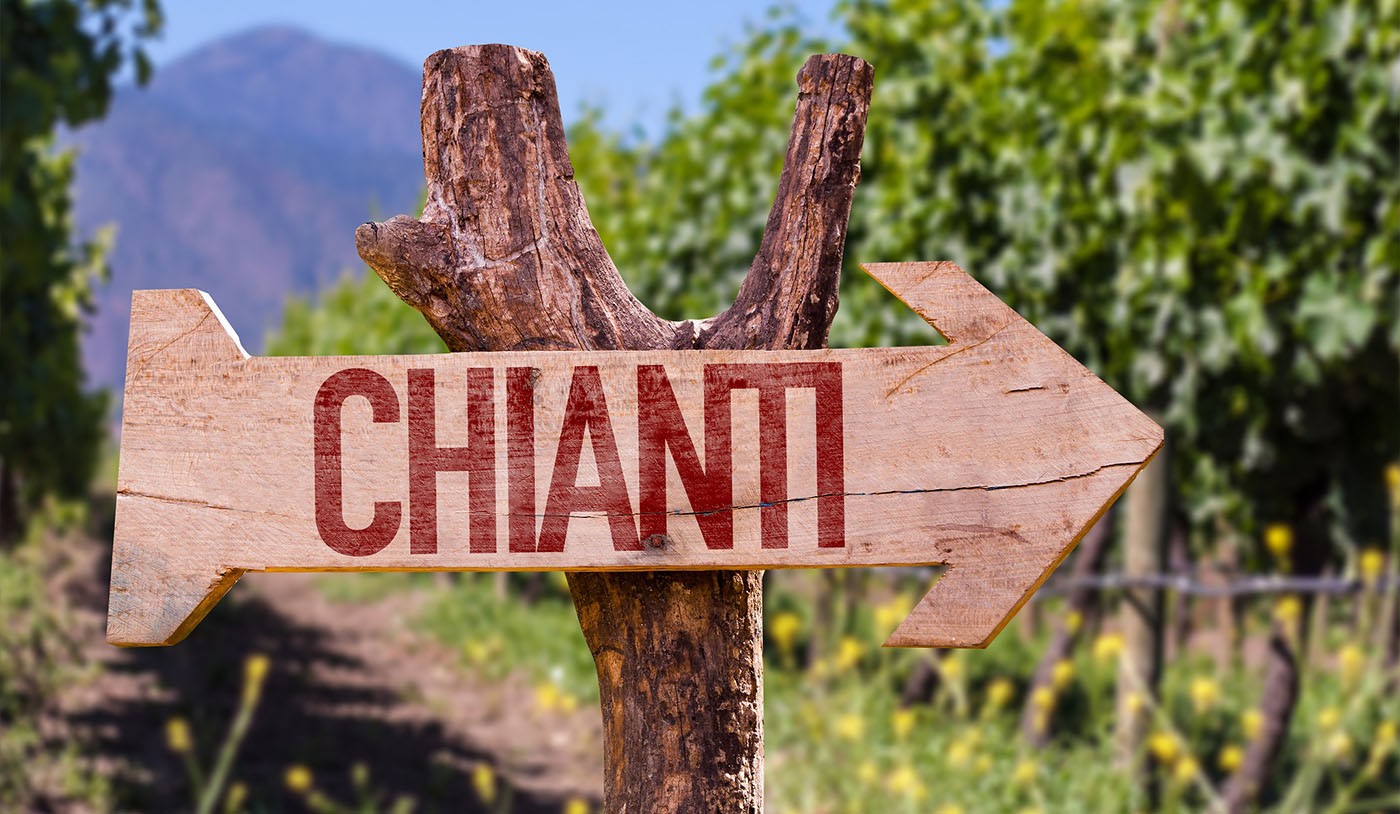
Chianti is one of the most famous and beautiful producing regions in Italy.
Disclosure.
Chianti is an ancient wine, whose history is at least secular, as it has been produced in Tuscany probably since the 13th or 14th centuries, although the Etruscans already cultivated the vine and produced wines 900 years before Christ. The original production core, called Chianti Classico, is located between the cities of Florence and Siena, which in the Middle Ages fought for dominance over the region.
However, because of the crisis caused by phylloxera at the end of the 19th century, wines in the Chianti style began to be produced in other areas located around this initial core. This is how the seven sub-regions with Controlled Designation of Origin were born: Colli Arentini, Colli Fiorentini, Colli Senesi, Colline Pisane, Montalbano, Montespertoli, and Rufina.
Regardless of the production area, Chianti must be produced with at least 70% Sangiovese grape – the rest of the blend is composed of other authorized varieties, such as the Italian red Canaiolo Nero, Malvasia Nera, and Colorino, the white Trebbiano Toscano, and even the international Merlot and Cabernet Sauvignon.
In the Chianti terroir, where the climate is continental with cold winters and hot summers, the addition of these grapes is necessary to soften the tannins and trim the edges of the Sangiovese, a very rustic and difficult-to-cultivate grape that sprouts early and ripens late.
Aromas of cherries, herbs, and slightly earthy notes, with marked acidity and moderate tannins, are characteristics of a good Chianti. For this reason, it is considered an extremely gastronomic wine, ideal to accompany pasta with tomato sauce, bolognese, pizzas, and red meats.
Brunello di Montalcino
Brunello di Montalcino is one of the great red wines of Italy, alongside Barolo and Amarone.
Disclosure.
Unlike Chianti, Brunello di Montalcino is a more recent wine in Italian history, “invented” only in the 1860s.
Brunello, whose name indicates small, dark berries, is what the inhabitants of Montalcino historically call the Sangiovese grape. This medieval village is located in southern Tuscany, about 60 km from the Chianti area, and has a climate with greater influence from the sea, generally warmer and with excellent thermal amplitude between day and night.
This allows for the perfect ripening of the grapes to have a structured, round, and very tasty wine, without the need to mix other grapes. Another difference from Chianti, therefore, is that Brunello is made entirely with the Sangiovese Grosso grape, a specific clone of Sangiovese.
In addition, it must spend a long mandatory period of aging in barrels (at least four years, with at least 2 in oak) before reaching the market.
The result is a fuller-bodied, intense, and complex wine, with aromas of ripe fruits, leather, tobacco, spices, and wood. Its tannins are firmer and its aging potential is greater, being able to evolve for decades in the bottle. It is an ideal wine to accompany barbecue, such as the famous Florentine steak, and roasted red meats.
Chianti X Brunello
Chianti is a more versatile wine and ideal for everyday life, while Brunello occupies a more sophisticated and premium category. This is also reflected in the price: a good Chianti offers excellent value for money, while Brunellos tend to have higher prices, because of the longer production process and the greater complexity of the wine.
Discover below a must-try Chianti and Brunello:
Poderi del Paradiso Chianti Colli Senesi DOCG
Poderi del Paradiso is a family winery located in the famous medieval village of San Gimignano.
Disclosure.
Produced in the Colli Senesi sub-region (Siena hills) with hand-harvested grapes to preserve the integrity of the berries.
It presents an intense aroma of red fruits, such as cherry and raspberry. On the palate, it is elegant, complex, balanced, and persistent. It presents marked and slightly rustic tannins, in addition to mineral and spice notes.
It aged for 8 months in French oak barrels and pairs beautifully with lasagna, pizzas, pecorino cheese, and grilled meats.
Brunello di Montalcino DOCG Cantina Camigliano
A high-end red from Tuscany that needs no introduction.
Disclosure.
Complex, elegant, and sophisticated, it expresses the full potential of the Montalcino terroir.
On the nose, it has aromas of ripe red fruits, accompanied by notes of spices, leather, chocolate, and tobacco. On the palate, it is full-bodied, has pungent acidity, balanced and well-structured tannins, with a long and complex finish.
It aged in barrels for 24 months and spends 24 months in the bottle before its commercialization.
DRINK LESS, DRINK BETTER.
Tuscany wines: what is the difference between Chianti and Brunello?
Star of Tuscany, the Sangiovese grape shines in Chianti and Brunello di Montalcino wines, two of the most famous labels in Italy. But what is the difference between these two red wines that are produced in the same region and with the same grape? Despite...






Sign in to comment on this article.
No approved comments yet.