A U.S. federal judge on Monday rejected a lawsuit filed by xAI, Elon Musk's artificial intelligence company, which accused Sam Altman's OpenAI of misappropriating the company's trade secrets. 🗒️ Have a story suggestion? Send it to g1 Judge Rita Lin of San Francisco stated that xAI failed to prove that OpenAI encouraged former company engineer Xuechen Li to improperly obtain confidential information. According to the judge, there is also no evidence that Li revealed xAI's trade secrets during a presentation made while participating in an OpenAI recruitment process. Lin dismissed the case definitively, stating it would be "futile" to allow xAI to proceed with the lawsuit.
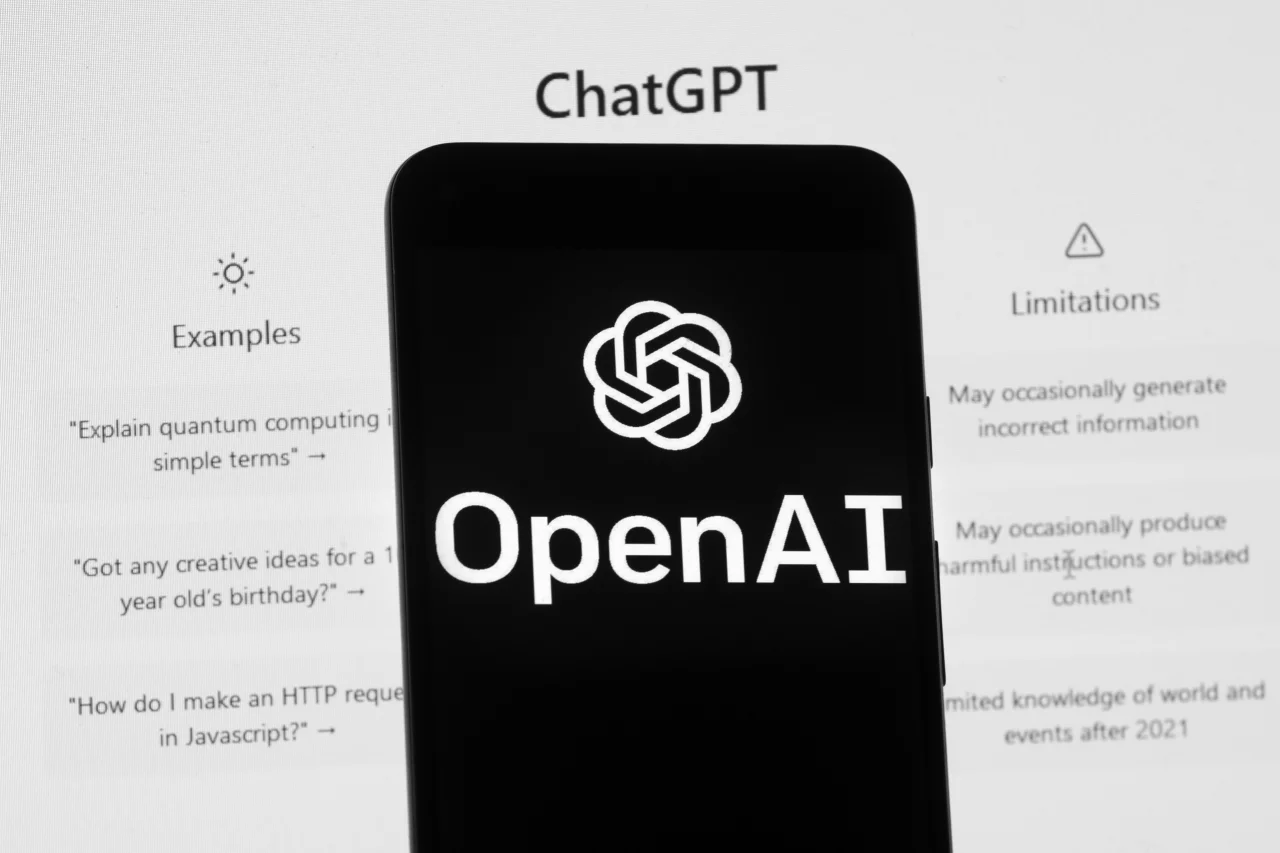
In February, she had already rejected an earlier version of the lawsuit. Now on g1 Originally filed in September of last year, the lawsuit alleged that former xAI employees took confidential company information, including source code related to the Grok chatbot, when they left their positions to work at OpenAI. Monday's (15) decision represents Musk's second judicial defeat against OpenAI in four weeks. On May 18, a federal jury ruled against the world's richest man in his $150 billion lawsuit, in which he accused OpenAI and Altman of "stealing from a charity" by betraying the company's original mission as a non-profit to enrich themselves. A xAI is part of the SpaceX group, controlled by Elon Musk and operating in the space, satellite, and artificial intelligence sectors. Lawyers for xAI did not immediately respond to requests for comment. OpenAI and its lawyers also did not immediately respond to similar requests. The OpenAI logo is seen on a cell phone in front of a computer screen displaying the ChatGPT home screen AP/Michael Dwyer, File Work routine The xAI lawsuit was based on a presentation made by Li before being recruited by OpenAI. Musk's company claimed that OpenAI tried to obtain secrets related to the launch of Grok 4, scheduled for July 2025.
According to the accusation, the company knew that a future update to ChatGPT "would not be able to compete" in complex reasoning and would be "lagging" in techniques such as reinforcement learning and post-training, in which Li reportedly had expertise. The judge, however, stated that it is routine to ask candidates to discuss previous professional experiences and that there is no evidence that OpenAI pressured Li to reveal confidential information. "To hold otherwise could expose employers to legal liability whenever they question a candidate's professional history," wrote Judge Lin. OpenAI stated that Li never worked for the company and never obtained secrets from xAI. In requesting the dismissal of the lawsuit, OpenAI's lawyers stated: "OpenAI does not need or want anyone's trade secrets, especially xAI's, which is failing in the market and losing talent at an accelerated pace." Li is being sued separately by xAI and denies any wrongdoing.




Sign in to comment on this article.
No approved comments yet.