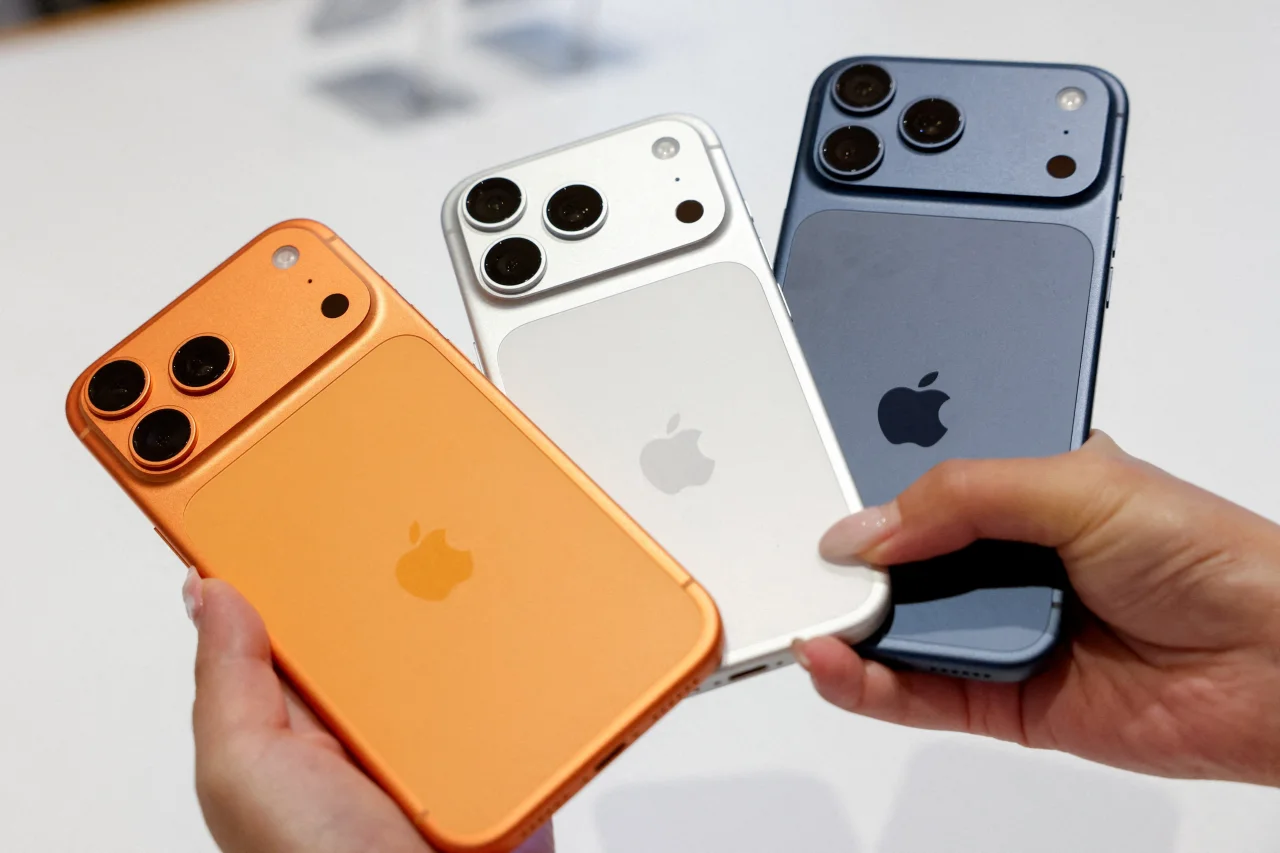
Models of the iPhone 17 line at an Apple store in Taiwan, in a photo from September 19, 2025 Reuters/Ann Wang iPhone owners in Brazil can now download apps from stores rivaling the App Store and use third-party payment systems. The change started to take effect this Thursday (18) and is part of an agreement between Apple and the Administrative Council for Economic Defense (Cade), after months of dispute. ➡️ What changes in practice? From now on, iPhone owners will be able to buy and download apps from stores rivaling the App Store.
When buying or subscribing to an app, for example, it will also be possible to use payment methods other than Apple's system. Both options (Apple's and the third-party one) must be displayed side-by-side for users. The change takes effect with the update to iOS 26.5.
To check if it is already available on your iPhone, go to "Settings", "General", and "Software Update". Apple has always been against the change, citing risks to the security and privacy of its customers. Now on g1 In a statement released this Thursday, the company stated that it "worked to reduce the new privacy and security risks that these changes create, offering users in Brazil the best and safest experience possible". "Apple worked with the Brazilian regulator to introduce protections against these new threats, including important safeguards for younger users. These measures include iOS app authentication, an authorization process for app stores, and requirements that protect children from inappropriate content and scams", it added. The company also reported that alternative app stores will need to obtain authorization from Apple and comply with requirements defined by the company itself.
Even so, the company states that it cannot guarantee the same level of security offered by the App Store. These alternative app stores will need Apple's authorization and must meet all requirements that may arise to offer their services to developers and users. The change is similar to the one Apple had to make in the European Union, where developers had to pay fees of up to 30% for each transaction made in their apps through the company's payment system. Apple will continue to charge commission Apple will continue to charge a commission on the sale of digital goods and services in Brazil, even after opening the iPhone to third-party app stores and payment systems. According to the company, developers who distribute apps through the App Store will pay a commission of 21% on these sales. For most developers, including participants in the Small Business Program and subscriptions after the first year, the fee will be reduced to 10%. Developers who use Apple's own purchasing system will pay an additional 5% fee. Sales of digital goods and services made on websites linked to the apps will have a 15% commission. For developers eligible for reduced conditions, the fee will drop to 10%. In the case of apps distributed outside the App Store, Apple will charge a 5% commission on the sale of digital goods and services, including paid apps. The company states that, with the new rules, developers who sell digital goods and services will pay the same amount or less than they currently pay. "Developers who do not sell digital goods and services will continue to pay no commissions or fees to Apple", says the company. READ ALSO: Amazon brings Alexa+ to Brazil and bets on AI like ChatGPT to renew virtual assistant 2026 World Cup: how the new 'video review' for offside calls works New Android 17: system improves security on cell phones and allows opening apps in 'bubbles' Lawsuit against Apple The decision is part of an administrative process in which Cade was investigating accusations of anti-competitive practices in the iOS ecosystem, Apple's operating system. The investigation began in December 2022, after a complaint from Mercado Livre that pointed to possible abuse of dominant position in the distribution of apps for iPhone. In November 2024, the General Superintendence of Cade opened an administrative process and imposed a preventive measure that forced Apple to allow developers and users to choose other payment systems for in-app purchases. In May 2025, the Cade Tribunal analyzed an appeal from Apple but maintained the preventive measure. In June 2025, the General Superintendence of Cade recommended the conviction of the company after its investigation revealed a set of restrictive actions linked to the sale of digital content within the Apple ecosystem. In July 2025, Apple began an agreement process, which led to the suspension of the deadline for compliance with the preventive measure.
When the agreement was approved, in December 2025, the company had to end the judicial process that sought to annul Cade's preventive measure. In case of total non-compliance with the agreement, Apple could be fined up to R$ 150 million. In addition, Cade could resume the investigation and the preventive measure. Amazon brings Alexa+ to Brazil and bets on AI like ChatGPT to renew virtual assistant Instagram Plus is released in Brazil; see price and benefits.






Sign in to comment on this article.
No approved comments yet.