Cubans lead asylum requests in Brazil Cubans led asylum requests in Brazil in 2025, surpassing Venezuelans, who had been at the top of the ranking for years. In total, asylum requests increased by 10.9% in 2025 compared to the previous year. There were 75,599 requests made by citizens of various nationalities, the third-largest volume in the historical series, behind only 2018 and 2019. The data is from the study "Refuge in Numbers 2026", conducted by the International Migration Observatory (OBMigra) in partnership with the Ministry of Justice. The study takes into account the period from 2010 to 2025 and was released this Monday (22) at an event marking World Refugee Day, celebrated on Saturday (20). ➡️ Asylum is an international legal protection offered to groups that are in a life-threatening situation and, therefore, need to migrate to another country. For example, in cases of climate crises, civil wars, persecution based on race, and terrorism. ➡️ The receiving country is obligated to protect against return to the country of origin, in addition to providing access to work, education, health, religious freedom, and legal documentation. "The volume of requests verified for the year 2025 should be understood in the context of the resumption of flows towards Brazil already verified previously for the years 2022 (50,355), 2023 (58,628), and 2024 (68,159), after a period of greater restrictions on international human mobility due to the actions imposed by the Covid-19 pandemic," the study says. Cubans Of the total requests made to the National Committee for Refugees (Conare) last year, 41,919 (55.4%) were from Cubans, an increase of 88.1% compared to 2024. ➡️ The departures are motivated by the supply crisis and the impoverishment of the population that Cuba has been facing due to the weakened economy.
The crisis had existed for decades, since the end of the Soviet Union, but it worsened this year and reached its most critical point. This is because the island was highly dependent on oil supplies from Venezuela.
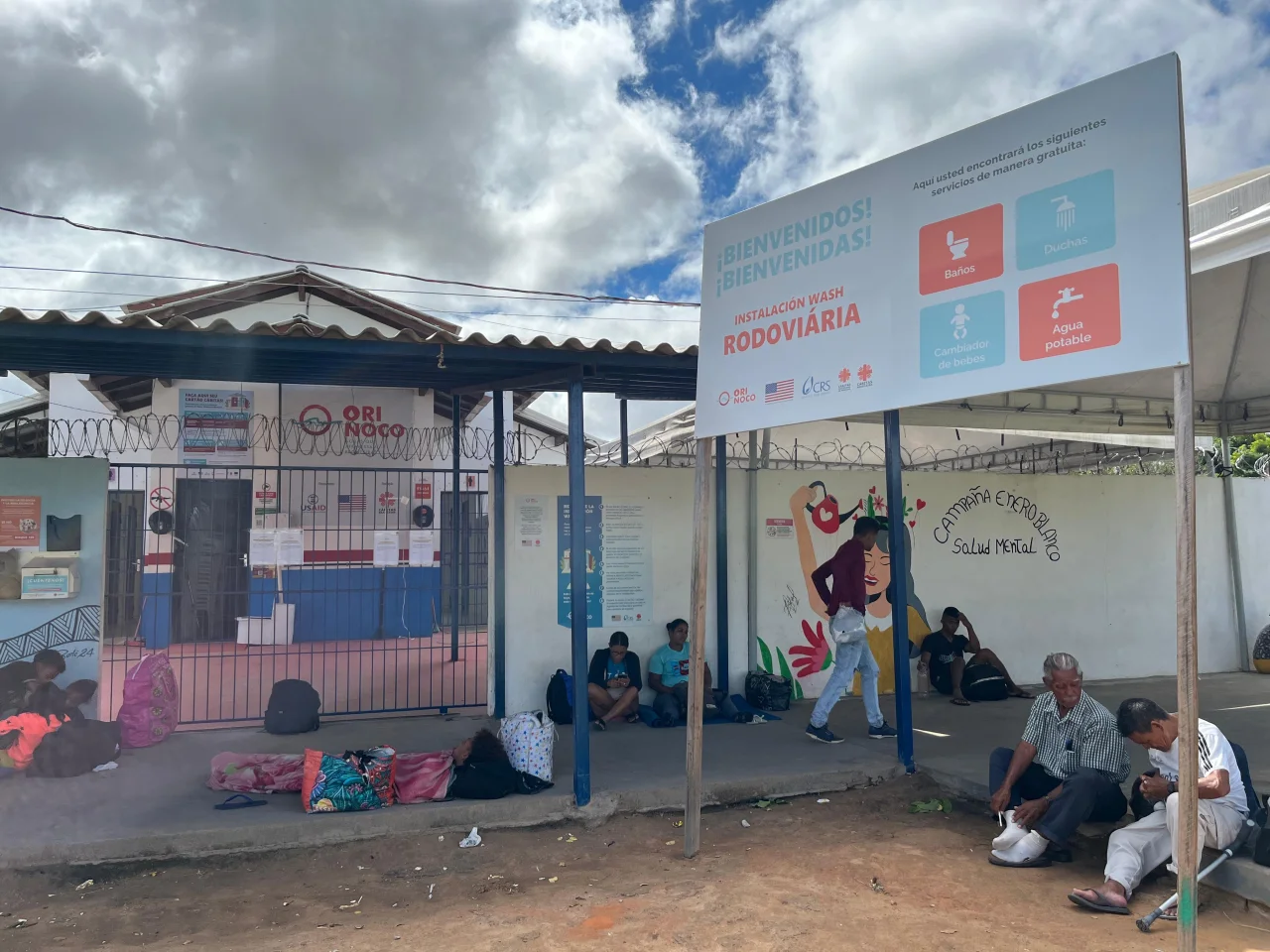
In January, when United States military forces entered Caracas and captured then-president Nicolás Maduro, the Donald Trump administration began to partially control the destination of Venezuelan oil and cut off supply to Cuba. Without its main fuel supplier to generate energy, Cuba's electrical system collapsed — domestic energy production meets less than half of the national demand. The already frequent blackouts began to last up to 20 hours a day. After the invasion of Venezuela, the Trump administration has also been threatening military offensives in Cuba and advocates for a change of power on the island, currently governed by a single-party model. Faced with American pressure, the Cuban Parliament approved a package of economic reforms last week. Venezuela Venezuelan migrants in Boa Vista, Roraima. Yara Ramalho/g1 RR Venezuelans appeared in second place in 2025, with 21,233 asylum requests.
Although it still faces an acute economic crisis, with food rationing for over a decade, Venezuela recently underwent a change of power — after the U.S. captured Maduro, power was transferred on an interim basis to Delcy Rodríguez. Although she was an ally of Maduro, Rodríguez moved closer to the United States and made agreements with the Trump administration. For analysts, the change, even if it has not yet reflected in concrete improvements in the living conditions of Venezuelans, slowed the massive exodus from the country. A recent survey by UNHCR, the UN refugee agency, pointed out that about a third of Venezuelans currently living in other countries in Latin America consider returning to the country if there are indeed improvements in job supply and security, regardless of an actual change in power. READ ALSO: Asylum requests by Venezuelans are the lowest since the pandemic Other nationalities In third place were Colombians, with 1,432 asylum requests.
Next were citizens of Angola (1,253 requests), Morocco (888), and Ghana (792). Distribution by state and profile Last year, 52.4% of asylum requests decided by Conare were registered in states in the North region. The applicants were mainly from Venezuela (13,125), Cuba (11,490), and Colombia (524). Roraima was the federal unit that concentrated the largest volume of requests for recognition of refugee status decided by Conare, 16,166 (32% of the total), followed by Amapá, with 6,372 (12.6%), and Amazonas, with 2,445 (4.8%). The majority of requests handled by Conare (94.7%) were due to generalized human rights violations. The largest group in this category is Venezuelans. Men request asylum more than women (55.9% against 44%), and the majority are in the 25 to 40 age group (26,911 applicants). Among Cubans, differently, the majority of those requesting asylum are over 60 years old (67.8%). In Brazil, Conare, subordinate to the Ministry of Justice, is the body responsible for analyzing and deciding on asylum requests.
The procedures are easier for countries where Brazil recognizes that there is a serious and generalized violation of human rights, as in the cases of Venezuela, Syria, and Afghanistan.






Sign in to comment on this article.
No approved comments yet.