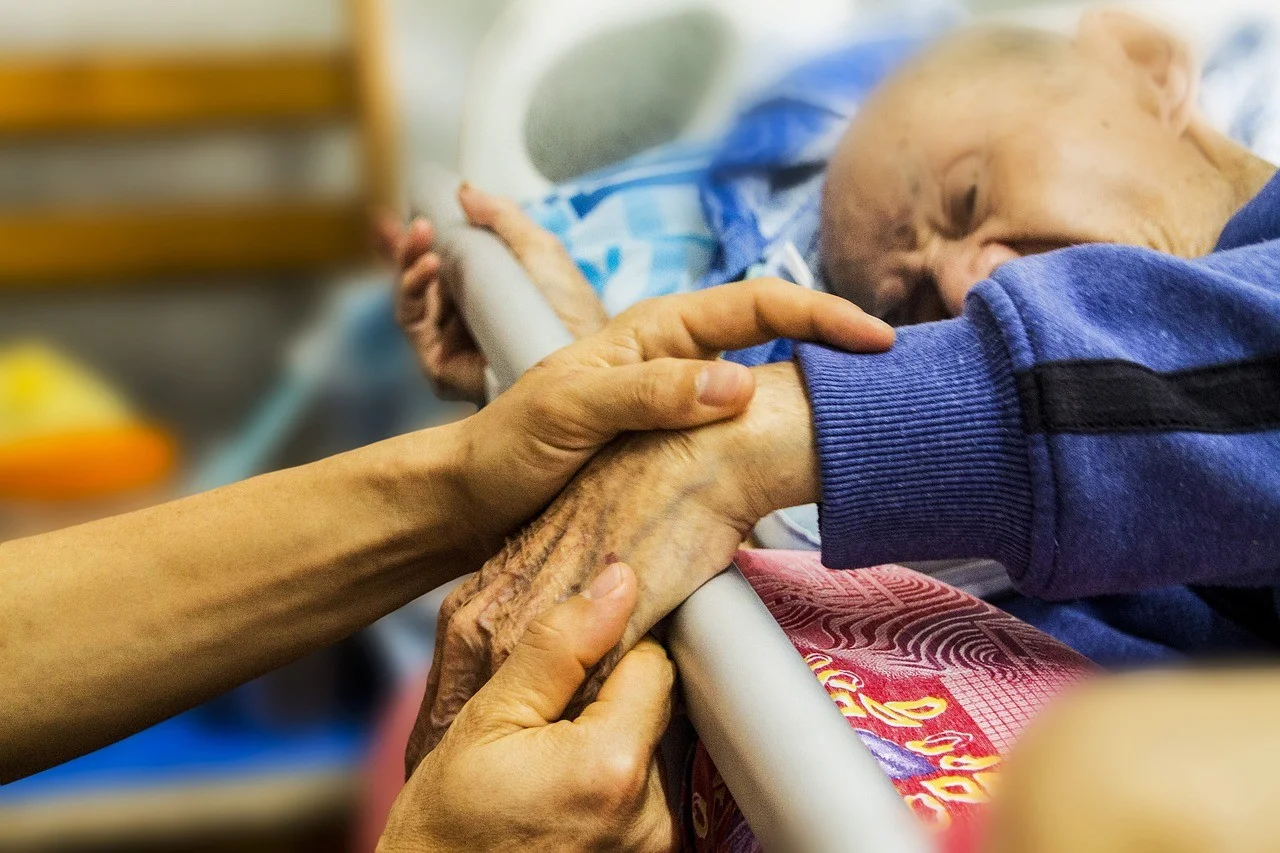
Palliative care is an act of love at the end of life Advance directives, also known as a living will, document a person's wishes – while in full possession of their mental faculties – regarding how they would like to be cared for and treated by the medical team should they face a serious, incurable, and terminal illness. An analysis published in the Journal of the American Geriatrics Society, which involved 2,850 seniors aged 65 and older, found that those who had this document in their electronic health record were 25% less likely to undergo potentially burdensome end-of-life care and 31% less likely to die in the hospital. Research shows that seniors who had advance directives were 25% less likely to undergo potentially burdensome end-of-life care Truthseekers for Pixabay “Advance directives are often discussed as legal documents, but our findings suggest that when they are accessible in the electronic health record well before death, they may be associated with less burdensome care and fewer hospital deaths among seniors,” said corresponding author Danny Scerpella, a researcher at Johns Hopkins University.
And speaking of care... Gerontologist Terezinha Monteiro Martinez has a long career in the field of care. A social worker, she worked at Furnas Centrais Elétricas for 35 years, where she coordinated social caregiver and retirement preparation programs.
She has just released the e-book Family Care for the Elderly: A Home Social Guide, in partnership with educator and doctoral student in education Alexandre Augusto e Souza. In simple language, the authors address the fundamental principles of the act of caring: from family arrangements (and rearrangements) to support networks; from how to deal with a loved one with dementia to the issue of finitude. They also warn about the risks of “unproductive care,” whose main trait is “a sense of ownership over the person being cared for, a posture of command that results in a distancing in relationships.”
Martinez and Souza also propose a reflection based on empathy structured in three steps: The first step is to imagine yourself older and the repercussions for your daily life. Have you ever thought about having to receive intensive care as you age? The second step is to live with an elderly family member and perceive the difficulties inherent in aging.
Check the difficulties, but also the capabilities they have to offer to the family and their community. The third step is to “walk in the other person's shoes.” This means putting yourself in the place of the elderly person, in their daily and social activities. Care guide: the importance of “walking in the other person's shoes,” that is, putting yourself in the place of the elderly person Reproduction.






Sign in to comment on this article.
No approved comments yet.