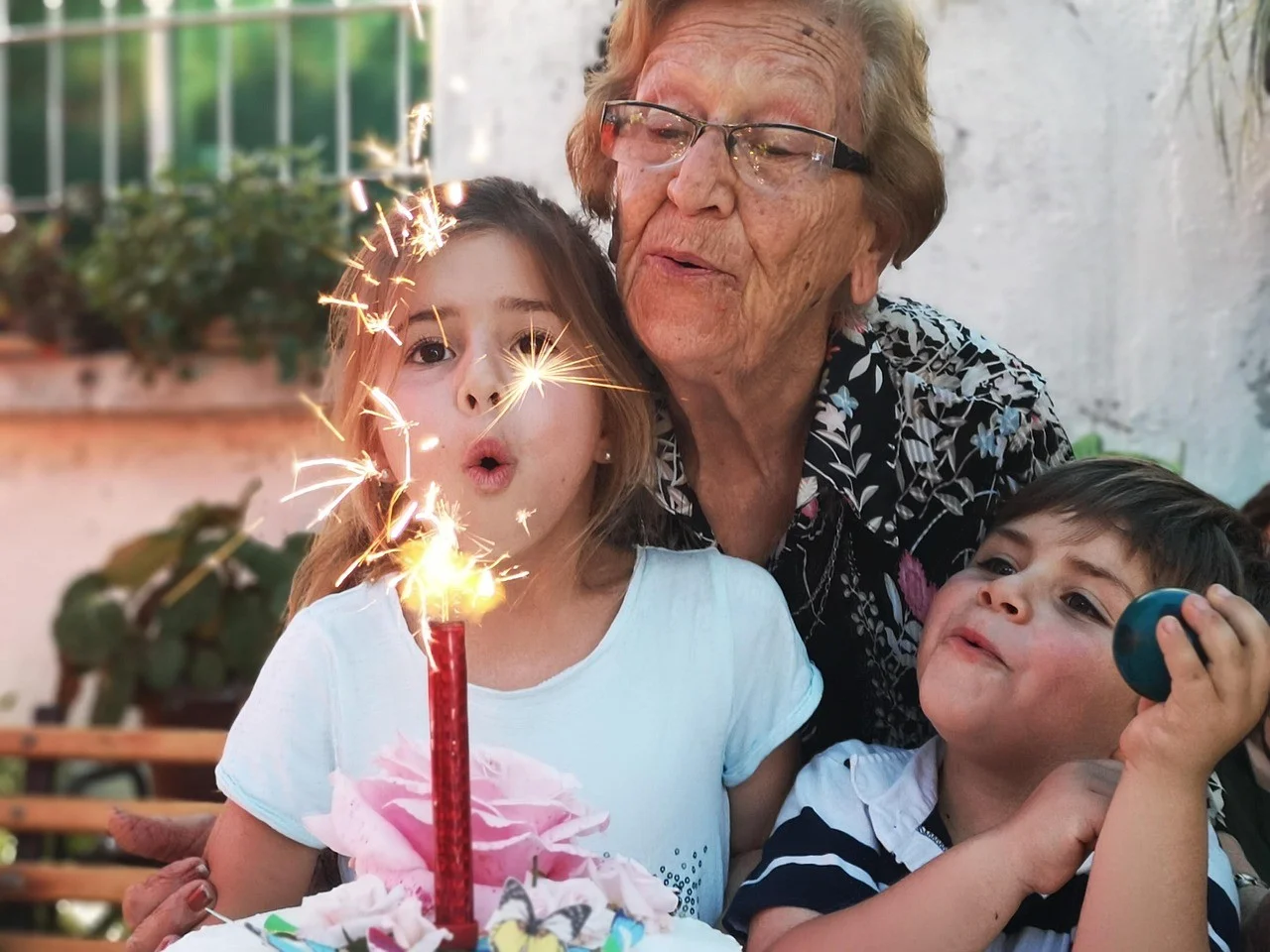
Interaction between grandparents and grandchildren strengthens bonds and learning In the United States, more than 40% of adolescents report persistent feelings of sadness or hopelessness. For Kenneth Barish, professor of psychology at Weill Cornell Medicine and member of the American Psychological Association, the erosion of family support networks has contributed to this situation.
In his new book, The Art and Science of Parenting and Grandparenting, he reflects on four decades of clinical work – bringing together insights from neuroscience, research on child development, and educational programs – to argue that grandparents play a fundamental role in facing the modern challenges of raising children. “Over several decades, the United States has increasingly become an 'I' society, not a 'We' society. In many families and communities, the preoccupation with individual achievement has eroded the values of kindness and care in our children's lives,” he states.
Children need someone in their lives who listens to them, helps them feel less alone, and teaches them that problems can be solved – and grandparents are especially efficient in this regard Damial Detafuentes for Pixabay Research shows that intense pressure for achievement leads to high rates of anxiety, depression, and substance abuse. Barish believes the antidote lies in helping children and young people develop a sense of purpose that goes beyond personal success: “Individual achievement alone is a fragile source of motivation, with a high cost in anxiety and stress.”
More than anything else, children need someone in their lives who listens to them, helps them feel less alone, and teaches them that problems can be solved, relationships can be repaired, and bad feelings do not last forever – and grandparents are especially efficient in this regard. The author calls grandparents “molecules of emotional health” because they provide moments of listening and encouragement that strengthen the “emotional immune systems” of beings in formation. “A child's confident expectation that someone will listen to and understand them is the best protection against the emotional pathogens they will experience throughout their childhood,” he explains.
Other practical ways grandparents can help include creating moments of play and fun, which build positive emotions, and expressing enthusiasm for their grandchildren's interests and goals. In a discovery that contradicts common sense, Barish reports that a recurring issue in his work is not an excess of praise, but rather unintentional criticism from well-intentioned family members.
“Criticism does not motivate children to strive. Instead, it often generates resentment and sabotages their initiative,” he analyzes.
Citing Carol Dweck's concept of “growth mindset,” the professor distinguishes praise that promotes resilience from that which creates fragility: “Praise the effort, not the intelligence or talent. Praise the learning, not the grades,” he teaches.
In the book, he proposes involving children in collaborative problem-solving conversations and offering them the chance to “start over.” “Helping our children and grandchildren succeed in life is less about teaching skills and more about having conversations; less about winning rewards and more about learning to deal with painful feelings; less about clearing a path to success and more about strengthening an internal sense of confidence and pride. This way, these young people will work harder, recover more quickly, demonstrate more care and kindness toward others, and pursue interests with greater enthusiasm, commitment, and sense of purpose,” he concludes.






Sign in to comment on this article.
No approved comments yet.