For decades, the real estate market was built on a relatively simple logic: buying a property to live in or to invest. But transformations in urban behavior, the labor market, and consumer expectations are creating a new reality for the sector.
Today, especially in large urban centers, there is a growing demand for more flexible solutions, connected to mobility, convenience, and the experience of living. In this scenario, serviced apartments are starting to gain prominence and are emerging as one of the most relevant trends in the global real estate market.
The change is not happening only in Brazil. According to data from Spherical Insights, the serviced apartment market moved approximately US$ 6.55 billion in 2024 and could reach about US$ 19.6 billion by 2035, with an average annual growth of 10.5%.
More than a new real estate typology, this movement represents a transformation in how people view housing, investment, and the relationship with urban spaces.
And Curitiba emerges as one of the Brazilian cities best prepared to follow this evolution.
The real estate market is changing the way of living
For a long time, property was seen mainly as an asset.
Location, square footage, and appreciation potential were the factors most observed by buyers and investors.
Although these elements remain important, new criteria have begun to influence decision-making.
Today, many consumers look for properties that offer:
practicality;
integrated services;
operational support;
quality of life;
differentiated experiences.
This change is directly related to the transformations of urban life.
The growth of hybrid work, professional mobility, new family dynamics, and the increased demand for more fluid experiences have made housing no longer just a fixed address.
It has started to function as a service platform.
It is precisely in this context that serviced apartments gain relevance.
What are serviced apartments?
Serviced apartments combine characteristics of the traditional residential market with elements typical of the hotel industry.
In practice, residents or guests have access to a professional service and operation structure that offers convenience, comfort, and daily support.
Depending on the development, services may include:
concierge;
cleaning and housekeeping;
maintenance;
integrated security;
service app;
personalized services.
The model serves both those who wish to live there and those looking for properties aimed at generating income through short or long-term rentals.
This creates a hybrid solution that combines housing, hospitality, and investment.
Why is this model growing all over the world?
The growth of serviced apartments does not happen by chance.
It follows profound changes in how people live, work, and relate to cities.
Some factors help explain this expansion:
Flexibility has become a priority
New generations increasingly value the freedom of adaptation.
Many people no longer wish to make rigid long-term commitments and prefer solutions that accompany different moments in life.
Short-stay and long-stay models offer exactly this flexibility.
Work has become more mobile
The advancement of remote and hybrid work has allowed many people to stop being permanently tied to a single address.
Professionals can spend weeks or months in different cities without giving up comfort and structure.
Experience has become more important
The contemporary consumer is not just looking for a property.
They are looking for a complete experience.
Just as it happened in several sectors of the economy, the perception of value has become linked to the service offered.
Professional management generates efficiency
In the rental market, professional administration reduces problems related to:
vacancy;
inadequate pricing;
maintenance;
guest relations;
operational management.
This makes the investment more efficient and predictable.
Curitiba has favorable characteristics for this trend
Curitiba has attributes that naturally favor the growth of this model.
Over the last few decades, the city has built a reputation strongly associated with:
urbanism;
quality of life;
mobility;
urban planning;
sustainability;
real estate appreciation.
These factors attract audiences with very diverse profiles.
Executives, professionals in mobility, postgraduate students, expatriates, investors, and families in residential transition find in Curitiba a city prepared to offer quality of life without giving up urban infrastructure.
Furthermore, the local real estate market itself has been demonstrating maturity and the ability to adapt to new demands.
Recently, Curitiba consolidated its position among the largest vertical real estate markets in Brazil, reinforcing the city's strength as a hub for urban and residential development.
This scenario creates fertile ground for developments aimed at flexible housing and integrated hospitality.
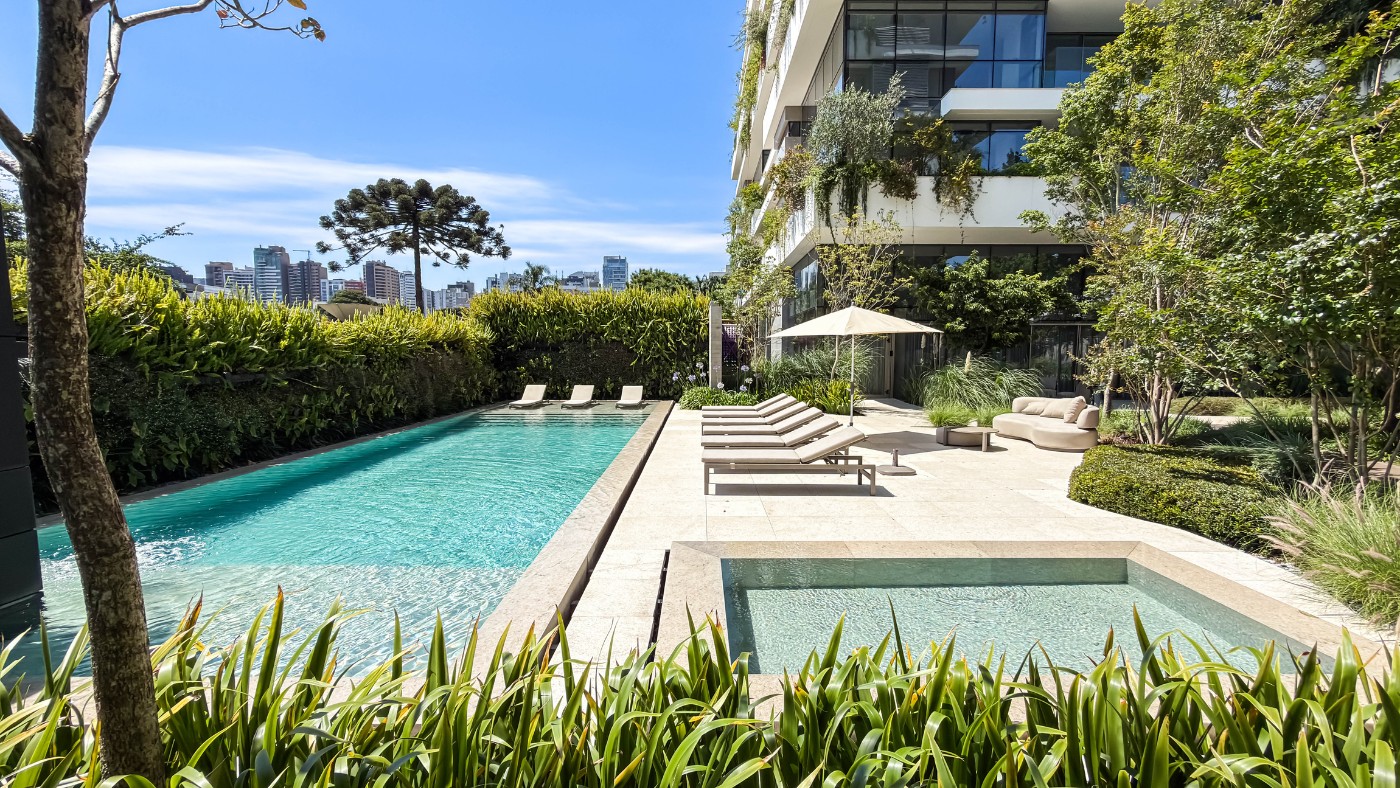
Disclosure/Kindel Media/Pexels.
The property is no longer just a physical asset
One of the biggest changes brought about by this model is the transformation of the perception of property value.
For a long time, the analysis of a development was based mainly on factors such as:
location;
square footage;
construction standard;
finishes.
Today, these elements remain relevant, but they are no longer the only ones.
The market is also starting to value:
quality of operation;
management efficiency;
user experience;
service offering;
occupancy potential;
income generation capacity.
This means that the property starts to function as a professionally operated product.
The logic is similar to sectors such as hospitality, technology, and subscription services, where the continuous experience has a huge impact on the perceived value.
The role of hospitality within developments
The integration between the real estate market and hospitality is one of the most striking features of this new generation of projects.
By incorporating hotel practices, developments are able to offer a more consistent experience for residents, guests, and investors.
Among the most valued differentials are:
professional service;
permanent support;
standardization of services;
centralized management;
integrated technology;
operational convenience.
This structure creates benefits for both those who use it and those who invest.
While the resident gains practicality, the investor finds a more efficient model of administration and monetization of the asset.
The future of urban housing will be more flexible
Global trends indicate that the developments of the future will be increasingly adaptable to individual needs.
Housing is no longer an exclusively residential space to become a multifunctional environment.
In this context, the appreciation of resources such as the following grows:
coworkings;
shared areas;
on-demand services;
embedded technology;
management apps;
common areas;
wellness solutions;
personalized experiences.
This transformation dialogues directly with other trends already observed in the real estate market, such as the growth of wellness real estate and the so-called new luxury, which prioritizes quality of life, comfort, and meaningful experiences instead of simple ostentation.
Housing, hospitality, and investment are starting to meet
Perhaps the most interesting aspect of this movement is precisely the convergence between different sectors.
The property is no longer just housing.
The hotel industry is no longer just acting in lodging.
And investment is no longer dependent exclusively on capital appreciation.
The three universes start to coexist within the same ecosystem.
This model creates new possibilities for:
residents;
investors;
developers;
operators;
real estate managers.
At the same time, it responds more efficiently to contemporary behaviors and new consumption expectations.
Disclosure/Construtora GT Building.
Curitiba follows a global transformation
The advancement of serviced apartments shows that the real estate market is entering a new phase.
A phase in which location and square footage remain important, but start to share prominence with factors such as operation, experience, flexibility, and convenience.
Curitiba brings together characteristics that favor this movement.
The combination of consolidated urbanism, quality of life, a mature real estate market, and growing demand for smarter housing solutions positions the city strategically within this transformation.
More than following an international trend, Curitiba demonstrates the ability to adapt this model to the characteristics that have always marked its urban development: planning, efficiency, and a focus on the experience of living well.
Disclosure/Francisco Souto Neto in 2022.
The future has already begun
Serviced apartments represent much more than a new category of development.
They reflect a change in how people view housing, mobility, investment, and quality of life.
As the integration between the real estate market and hospitality strengthens, so does the importance of projects capable of offering complete experiences, professional management, and solutions aligned with contemporary behavior.
Do you want to follow the transformations that are shaping the future of the real estate market in Curitiba?
Get to know the developments of J8 Imóveis and discover how architecture, innovation, and quality of life continue to redefine the way of living in the city.
And to explore more trends, analyses, and stories of the Curitiba real estate market, also visit Infinitas Histórias.
Serviced apartments transform housing in Curitiba
For decades, the real estate market was built on a relatively simple logic: buying a property to live in or to invest. But transformations in urban behavior, the labor market, and consumer expectations are...






Sign in to comment on this article.
No approved comments yet.