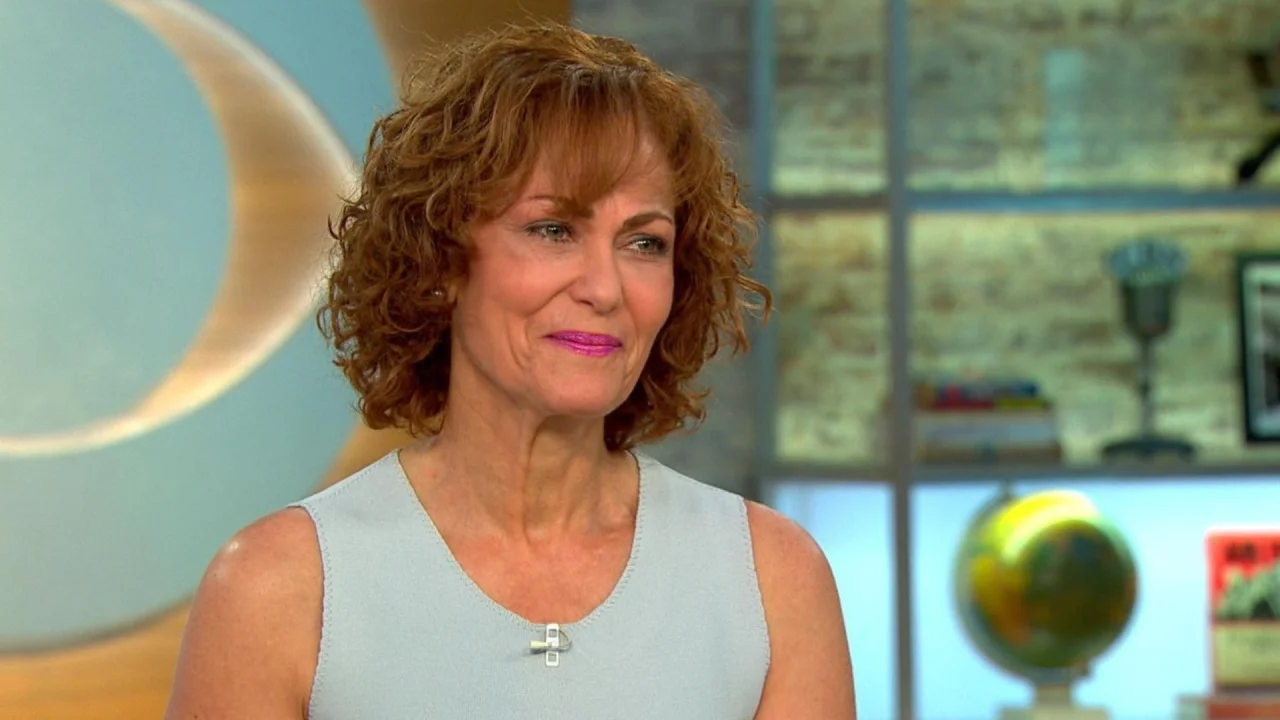
At the beginning of the month, I watched, online, several presentations from the Healthy Aging Conference, held by Stanford University's Lifestyle Medicine Program. The event's theme, “Purpose, Power and Play,” aligns with the increasingly rooted concept about the importance of projects, goals, joy, and social engagement in old age. Geriatrician Louise Aronson: motivation is a sort of engine that moves us Disclosure And what is behind this? Longevity cannot be reduced solely to life expectancy and healthspan.
In fact, it has to take into account what makes our existence worthwhile. Society understands that fun is something that concerns only children and youth; however, it is an efficient tool for building bonds at any age.
In today's and Sunday's columns, I write about the lectures that captivated me the most. Geriatrician Louise Aronson, writer and professor of medicine at the University of California, San Francisco, stated that motivation is a factor of the utmost relevance to maintaining health: “We know that recovery is harder as we age, but I see people facing chemotherapy, or the rehabilitation process after surgery, with much more willingness because they want to go to a grandson's or granddaughter's graduation or wedding.
It's a sort of engine that moves us.” Aronson used an expression that is trending in the field of gerontology: social prescribing. Instead of a pharmacy prescription, it is about promoting an environment that connects older adults to activities, resources, and protection networks to promote their health, autonomy, and well-being.
“Science likes to measure everything, which can sometimes be a bit reductionist. Connections and social engagement are just as important as exercising,” she pointed out.
Gerontologist Barbara Waxman, a consultant at the Stanford Center on Longevity, was emphatic: “Aging is not synonymous with decline. I would say that when we reach our 60s, it is when we have the greatest sense of purpose in our lives and a clear notion of how others matter.”
In her view, there is room to flourish in old age: Barbara Waxman: “When we reach our 60s, it is when we have the greatest sense of purpose in our lives” Disclosure “We need good relationships. We need a purpose, which will give us wings.
We need joy. I would like to invite everyone to embark on the challenge of creating a metric for what brings us joy.
Daily, list all possible small pleasures. It could be the breakfast ritual.
Seeing the day dawn. Or even playing with the grandchildren, meeting a dear friend.”
Report gives tips on how to age well On Sunday: Our mental model has the potential to make us stronger.






Sign in to comment on this article.
No approved comments yet.